The Reactivity Road
I know only too well how difficult life can be with a ‘reactive’ dog. When you begin your journey of support, it can feel like you’ll never get along that road, let alone through it!
One of the most important things I have learned from sharing my life with a reactive dog is that progress matters far more than perfection.
When you live with a dog who finds aspects of the world difficult, it's easy to focus on the moments that don't go to plan. The bark, the lunge, the setback, the reaction that catches you by surprise. Those moments can feel huge, especially when you've been working so hard. I know I could’ve kicked myself for taking a different route and bumping into a dog that startled Ted, or not advocating quickly enough when someone tried to approach- YES, we’ve all done it; none of us are perfect, and we can often get caught off guard.
But what if we looked at the whole picture instead?
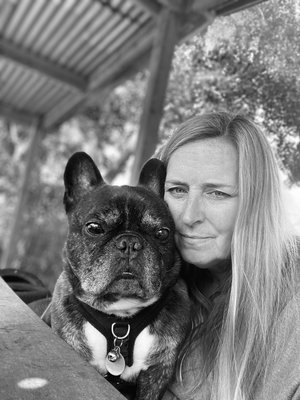
My own dog, Ted, has taught me so much about this. When I think about his journey, I used to measure our success by whether he reacted; if he did, it honestly made me feel pretty rubbish and like I was failing him. I would honestly overplay the moment all day in my head, thinking why why why? And my day would be ruined; I couldn’t focus, and I dread the next walk. But then I looked at the bigger picture and reminded myself of the things he could do that day, that he couldn't do months before.
I look at how well he recovers after seeing something he finds difficult. I look at the choices he makes to disengage. I look at the situations he can now cope with that would once have overwhelmed him. I look at his confidence, his trust, and his ability to communicate and navigate the world more comfortably.
Those things matter.
As caregivers to our dogs, we often put enormous pressure on ourselves to have the "perfect" dog. Social media can make it seem as though everyone else's dog is effortlessly calm, sociable, and easy in every situation. The reality is that many dogs struggle with fear, frustration, anxiety, excitement, or uncertainty, and that's okay.
Our responsibility isn't to create perfect dogs.
Our responsibility is to keep them safe, protect their welfare, and help them feel more secure in the world.
For reactive dogs, that often means management is part of the training plan. Creating distance. Choosing quieter routes. Using leads and long lines appropriately. Advocating for your dog when people or other dogs get too close. Setting them up for success rather than repeatedly putting them in situations they cannot yet cope with.
Management isn't failure.
Management is a safety tool.
Every time we prevent our dogs from becoming overwhelmed, we are helping them learn and keeping them safe.
Progress can look like:
• Looking at another dog and then looking back at you.
• Recovering from a reaction in seconds rather than minutes.
• Walking past a trigger at a greater distance.
• Choosing to sniff instead of stare.
• Feeling comfortable in situations that once felt impossible.
These moments may seem small to others, but for the dogs and people living that journey, they are enormous achievements.
Ted has reminded me countless times that behaviour change isn't linear. There are good days and difficult days. There are breakthroughs and setbacks. There are times when progress feels obvious and times when it feels invisible.
But when we step back and look at where our dogs started compared to where they are now, we often realise just how far they've come.
So if you're living with a reactive dog, celebrate the small wins.
Celebrate the effort.
Celebrate the trust you're building together.
Because progress, confidence, safety, and welfare will always be more important than perfection.